Moroccan culinary specialities
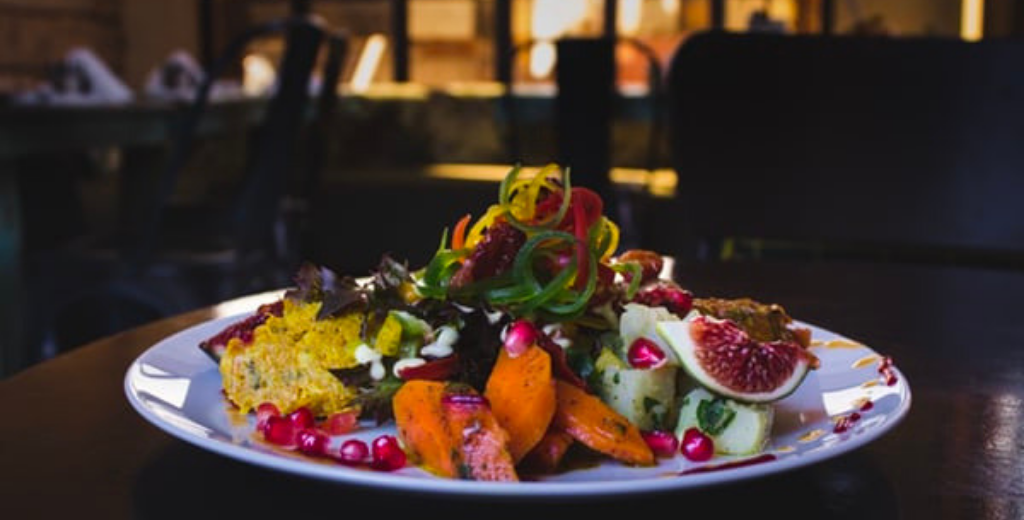
Moroccan cuisine was subject to many influences: Berber, Arab-Andalusian, Jewish and Asian, including India, renowned for its spicy cuisine. Very varied and steeped in history, Moroccan culinary art is recognized as the 2nd best gastronomy in the world according to Worldsim. Beyond the know-how required to obtain tasty dishes, tasting them is a real know-how. Indeed, we are all familiar with the expression “Moroccan food”. Here, at the table, conviviality and sharing are the keywords.
You will find in this article concocted by Aloha surf camp maroc our selection of the country’s must-have dishes so that you don’t miss a thing.
Our selection of the must-sees of Moroccan gastronomy
The Tajine
To enjoy this dish, several people meet around the table with a piece of bread in hand. No cutlery, only their fingers and good humour to enjoy this moment of sharing.
The tajine, of Berber origin is present throughout the Maghreb, so there are a multitude of different recipes. As for the word “tajine” itself, it refers to both the content and the container. It is cooked by stewing allowing the food to retain all its flavour.
The ingredients:
– Spices
– Olive oil
– Vegetables
– Meat or fish
The Keftas
These are skewers or dumplings of spicy minced meat. This dish is also prepared with sardine and seasoned with olive oil.
Couscous
This ancestral preparation is the national dish of North Africa. Of Berber origin, he is called Kseksu in its mother tongue. Couscous appeared about 2 centuries BC in northern Algeria but there are as many couscous as there are regions in the Maghreb. It is traditionally eaten on Fridays after the dhuhr (noon) prayer. Unlike Tunisian or Algerian couscous, Moroccan couscous is not very spicy.
It was in the 16th century in Rabelais’ novel Pantagruel that we first heard about couscous in Europe under the name “coucoussou”. It was only in 1929 that the recipe was revealed to Westerners in Alexandre DUMAS’ Le grand livre de cuisine.
The ingredients:
- Beef or mutton
- Olive oil
- Vegetables
- Wheat or barley semolina
- Spice
The Pastilla
The etymology of the word Pastilla comes from “pastel” in Spanish, which means cake. The recipe was imported into North Africa by Moorish refugees during the fall of Al-Andalus in 1492. Today, there is a multitude of variations of Pastilla, it can be presented in sweet or salty form depending on its garnish. This large cake, typically from the Maghreb region, will delight everyone’s taste buds.
The ingredients;
- Almond pasta called “ouarka”
- Chicken or pigeon chops
- Sugar and cinnamon
The Tanjia
Originally from the Marrakech region, this dish was originally prepared by men on the day their wives went to the hammam. The Tanjia was cooked in the hammam oven in a clay dish. The meat and its seasoning were left to simmer for 6 hours.
La Rfissa
Rfissa, also called trid, is a Moroccan culinary dish, based on msemmen and pigeon. Accompanied by onions, ginger, coriander, saffron, ras el hanout and the essential fenugreek (tifiḍas in Amazigh, halba in Arabic) which gives it its unique flavor.
The ingredients:
- Msemmen (Maghrebian pancake)
- Onion broth
- Ginger
- Coriander
- Saffron
- Ras el hanout
- Fenugreek
La Harira
Harira is traditionally the dish for breaking the fast during the month of Ramadan. It is mainly served with dates, hard-boiled eggs, honey pancakes, pastries. However, it is consumed all year round, especially in winter.
The ingredients:
- Red turmeric meat
- Cut into onion and tomato pieces
- Chickpeas and lentils
- Parsley and coriander
Come and learn how to make these delicious recipes yourself with our aloha surf camp Moroccan chefs.
Find all our surfing tips in our website: http://surfcamptaghazout.co.uk
Contact us: surfcampmaroc@yahoo.fr
Aloha from Taghazout


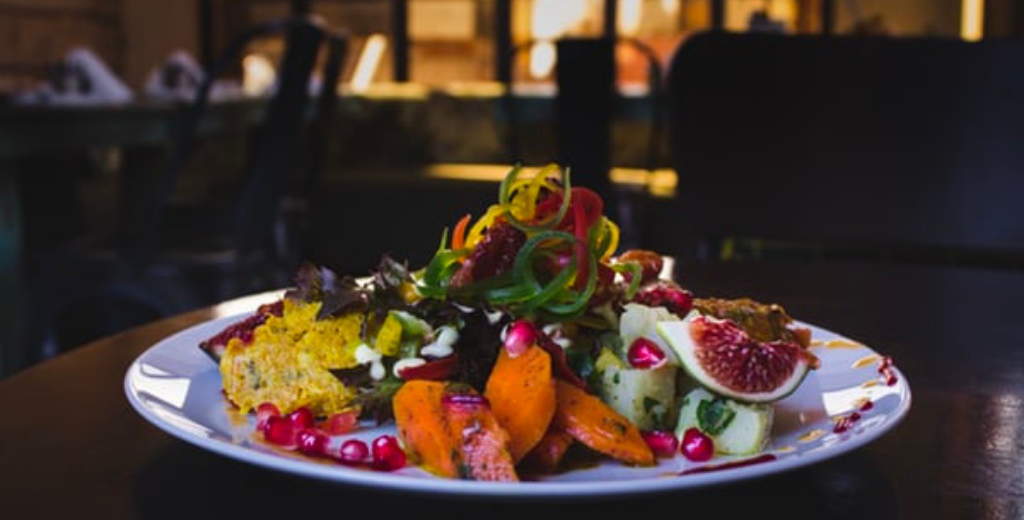 Moroccan cuisine was subject to many influences: Berber, Arab-Andalusian, Jewish and Asian, including India, renowned for its spicy cuisine. Very varied and steeped in history, Moroccan culinary art is recognized as the 2nd best gastronomy in the world according to Worldsim. Beyond the know-how required to obtain tasty dishes, tasting them is a real know-how. Indeed, we are all familiar with the expression “Moroccan food”. Here, at the table, conviviality and sharing are the keywords.
You will find in this article concocted by Aloha surf camp maroc our selection of the country’s must-have dishes so that you don’t miss a thing.